
The playthrough
The game is one loop run over and over at rising energy density: trial and error → chemistry → discoveries → engineering, and back. This page walks the first turns of that loop. Everything below is resolved by the simulation, not scripted; the reactions and their energetics are sourced.
The energy ladder
Section titled “The energy ladder”Every tier is a higher energy density commanded with more precision, and electromagnetism is the tool at every rung.
| Tier | Energy source | What you command |
|---|---|---|
| Fire | Chemical bonds | Heat, crudely |
| Furnace | Chemical + forced air | Temperature and atmosphere |
| Steam | Chemical → mechanical | Work |
| Electrical | Mechanical → electromagnetic | Electrons, directly |
| Electrochemical | Applied potential | Non-spontaneous reaction directions |
| Nuclear | Nuclear binding | Confinement |
The MVP covers the first two rungs. The rest is post-MVP and none of it blocks the definition of done.
Hours 0–1 — Fire
Section titled “Hours 0–1 — Fire”Burn wood. Starve it of air and you get charcoal plus a hazardous off-gas mixture — pyrolysis, endothermic, driven by the fire you keep outside the pile. The opening teaches ventilation by letting you observe, prevent, or recover from a small incident. It never requires poisoning you to prove the point.
The keystone lurking here is the Boudouard equilibrium:
C + CO2 <-> 2 CO ΔH = +172.5 kJ/molIts direction is not special-cased. It emerges from the reaction quotient, the equilibrium constant, and temperature — hot and carbon-rich pushes toward carbon monoxide, which is both the reductant you will need and the thing that kills you.
Hours 1–4 — Heat
Section titled “Hours 1–4 — Heat”Build a kiln that holds a temperature. Calcine limestone:
CaCO3 -> CaO + CO2 ΔH°298 ≈ +178.3 kJ/molThe equilibrium depends on CO₂ partial pressure, so a kiln that vents beats one
that does not. Slake the quicklime — violently, ΔH = −63.7 kJ/mol, the first
real hazard — and get mortar. Mortar lets you build a better kiln. That is the
first feedback loop: a product that improves the apparatus that made it.
Hours 4–10 — Metal
Section titled “Hours 4–10 — Metal”Recognise a green rock — malachite. Roast it to the oxide:
Cu2CO3(OH)2 -> 2 CuO + CO2 + H2OThen reduce the oxide under forced air, with charcoal and the carbon monoxide your fire is now making on purpose:
CuO + CO -> Cu + CO2 ΔH = −127.0 kJ/mol2 CuO + C -> 2 Cu + CO2Copper. This is the game’s first true summit, and from a real ore body at a real grade — you had to beneficiate it first. It has to feel like a summit.
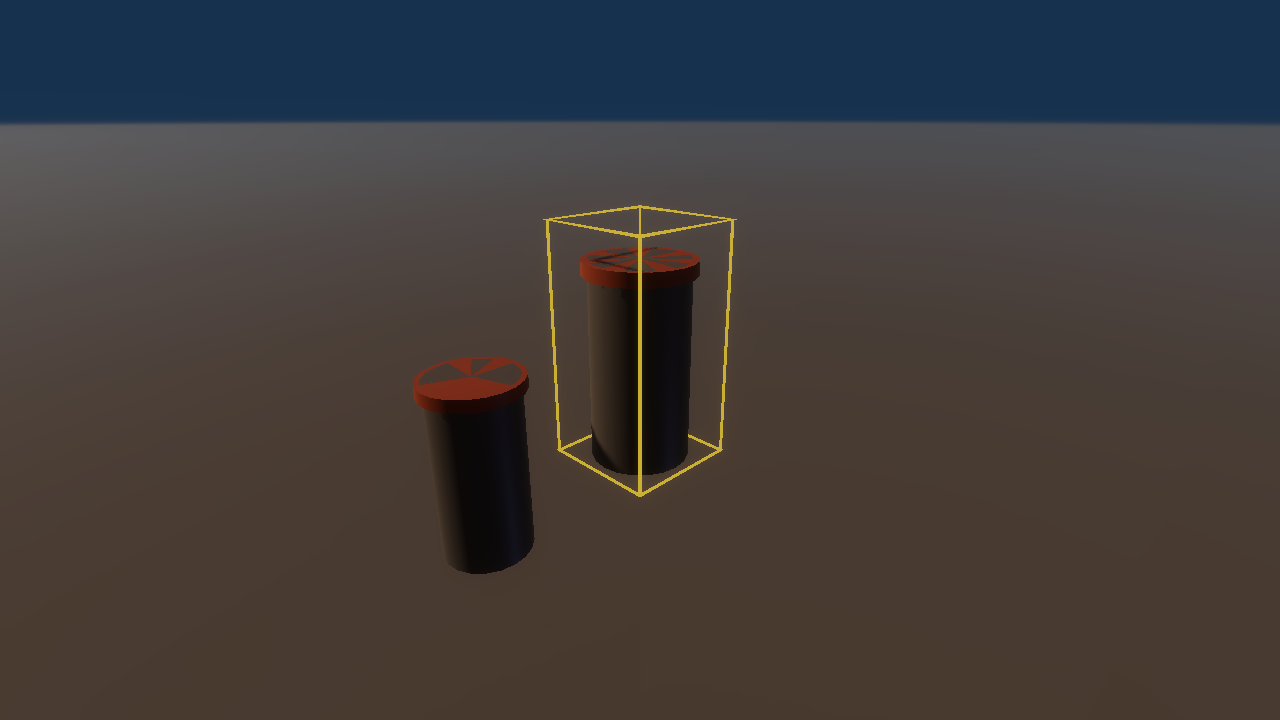 Figure 1: The ceramic reduction crucible placed on a stone hearth in the live voxel world (
c1p milestone verification). Targeting the vessel displays the HUD crosshair and slot inventory status.
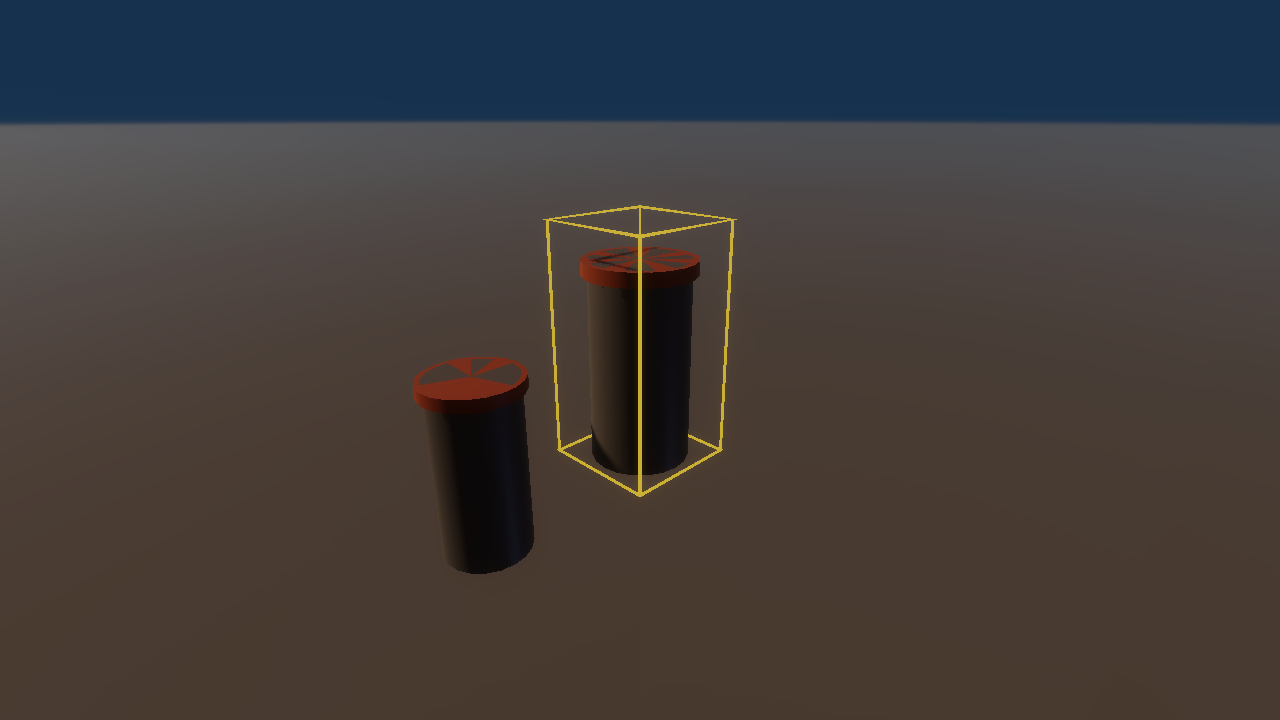 Figure 2: The vessel heated past the blackbody incandescence threshold (
T > 850 K). Surrounding rock voxels receive real-time dynamic emissive lighting from the glowing reaction vessel.
Hours 10–20 — Alloy and industry
Section titled “Hours 10–20 — Alloy and industry”Find cassiterite, reduce tin the same way (SnO2 + 2 CO -> Sn + 2 CO2), and
alloy bronze — a genuine solution phase, Cu(l) + Sn(l) -> solution, not a
compound. Doing all of this by hand is now tedious in a way that teaches, so you
automate: crushers, screens, conveyors, a water wheel, a bellows battery. You
size the copper line from the balanced equation and then measure how far actual
yield falls short of it.
This is the MVP boundary. A player who has come this far has discovered fire, pyrolysis, calcination, and reduction by experiment; produced copper and bronze from real ores; met and handled a lethal hazard; automated the copper line; and can read their notebook back as a coherent record with an achievement on every genuine chemical first.
After the MVP
Section titled “After the MVP”Glass opens aqueous chemistry because it is the first vessel that resists acid and lets you see the reaction. Acids and the first galvanic cell move you onto the electrical rung. Electrolysis reaches the metals fire cannot — aluminium, sodium, magnesium — plus chlorine, oxygen, and hydrogen. The ladder from there is electromagnetic, not thermal, and it ends at a mobile stellarator.
User-contributed notes
Corrections, clarifications, and practical tips for this page. Anonymous is fine — a name is optional. Basic Markdown works:
**bold**,*italic*,`code`, and links.Notes policy
Notes are lightly filtered for spam and may be edited or removed. Keep them about this page — no support requests, no personal data, nothing you would not publish. Links are limited and marked
nofollow.